AuRA
Outputs
What AuRA has produced on its own, from sourced research reports and medical briefings to dozens of NewsPod AI episodes and children's stories.

Everything on this page was researched, written, voiced, edited and published by the pipeline, without a person in the loop. We picked the sources and the recipes; AuRA picked the questions.
Research reports
Every run can publish a research document alongside its video, and the reports are where AuRA shows its work. Each one opens with the source article and the finished episode, then lays out a Research section with one entry per topic DeepResearch chose to investigate, each with its own bibliography. After the full Transcript comes Deep Thought: every prompt DeepThink wrote for itself and the section it wrote in answer. A high-level background overview closes the report. They run from roughly eight to fifteen thousand words, with twenty to fifty linked sources each.
The Sustainable Development Goals reports come from the recipe that started the project. In each, AuRA chose a goal, invented a combination of technologies to address it, researched ten angles on the invention and then analyzed and critiqued it:
- Bioprinting the Future: Revolutionizing Prosthetics and Implants
- Revolutionizing Water and Energy: The Hybrid System
- Empowering a Sustainable Future: The Self-Sustaining Educational Facility
- Sowing the Seeds of a Sustainable Future: Harnessing Technology for Global Prosperity
The medical reports start from a newly published study and are written for clinicians. Their DeepThink sections read like a journal club: study methodology, the significance of the findings, the control group and how the cohort was matched, limitations, comparison with the existing literature and potential clinical applications. Topics included eosinophilic esophagitis and atopic conditions, climate change and pollen allergies, SGLT-2 inhibitors for diabetes, semaglutide for knee osteoarthritis, estrogen, menopause and asthma, hidradenitis suppurativa in pregnancy, virtual yoga for low back pain, the health effects of prolonged sitting, and total hip replacement versus exercise therapy for hip osteoarthritis.
Medical briefings
The medical episodes, the first AuRA application, used a different presenter: instead of a person, a glowing orb, so the briefing reads as coming from the research assistant itself. They were grouped into themed shows such as Inflammation and BioTech, each with its own show art. The aim was content for two audiences from one study: an accessible version for patients in a specialist's waiting room, and a technical breakdown of methodology, demographics and limitations for the physician.
NewsPod AI
NewsPod AI is the longest-running output: about sixty episodes on its public playlist, each researched and produced from a single news story. The playlist mixes several shows from the same pipeline:
- AI, general news about AI in business, policy, security and culture.
- AI Launchday, on AI in education, politics, science and society.
- AI Stocks, on companies, chips and markets, written for investors.
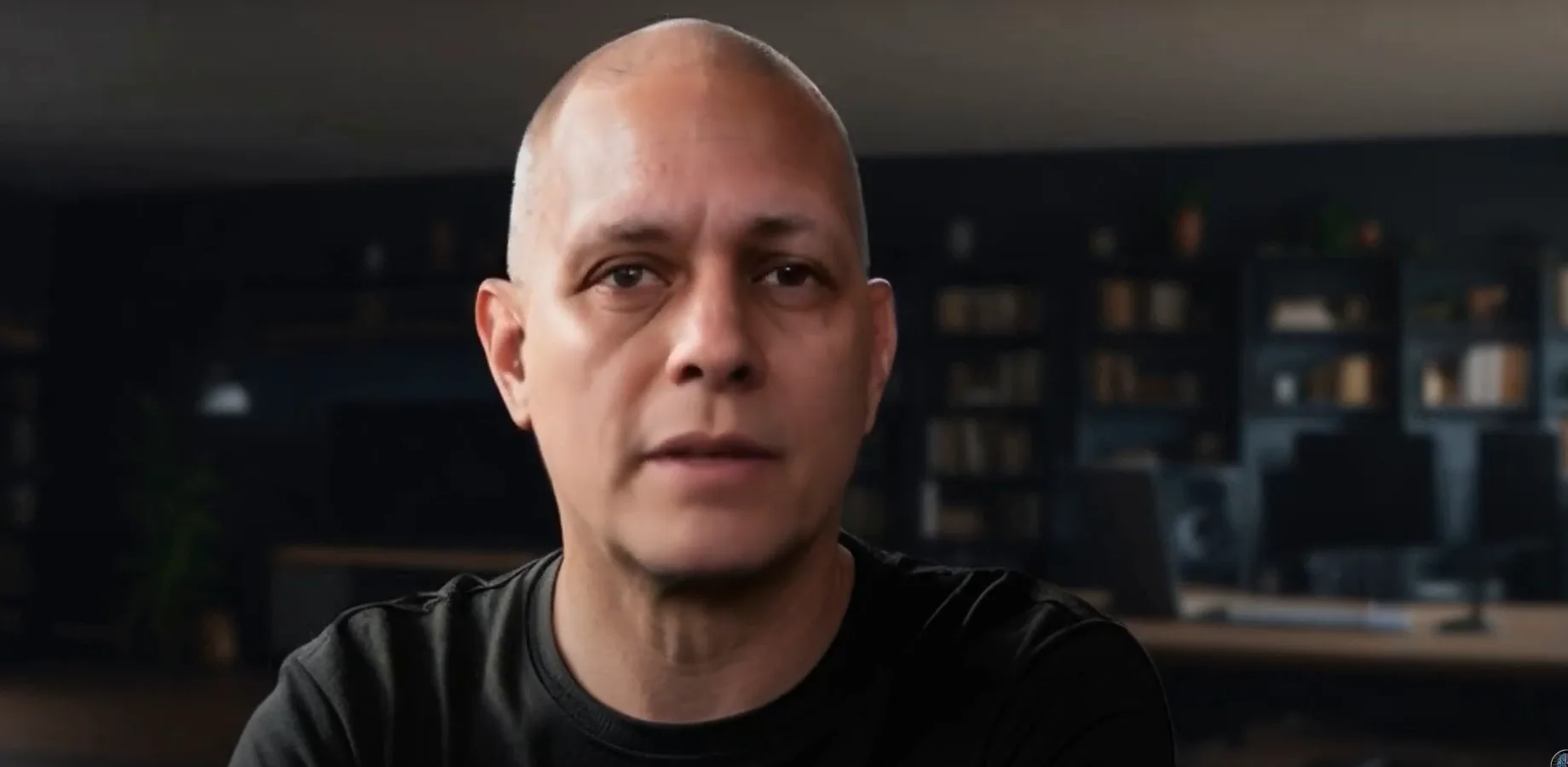
AI Storybook
AI Storybook runs the same research on a news story and then hands it to a children's recipe: outline a story with five main beats and a few subplots each, then tell it for listeners aged five to eight. It was a deliberately extreme test of audience adaptation. If the pipeline can take a news story to a bedtime story, it can take it to an executive summary or a training module.
Briefs
The rebuilt platform produces briefs rather than episodes: written, audio and video, from the same analysis in one run, delivered wherever they're needed. See The Platform.
Gallery

From the Sustainable Development Goals series. Its research report is linked above. 
An SDG analysis of renewable-powered desalination. 
An SDG analysis of an off-grid school. 
An SDG analysis combining satellite imaging, machine learning and farmer education. 
From the Inflammation series of medical research briefings. 
From the Inflammation series. 
A medical research briefing. 
A medical research briefing. 
A medical research briefing. 
A medical research briefing. 
NewsPod AI, general AI news. 
NewsPod AI, general AI news. 
NewsPod AI, general AI news. 
From the AI Launchday series. 
From the AI Launchday series. 
From the AI series. 
From the AI Stocks series. 
From the AI Stocks series. 
AI Storybook, a news story retold for children. 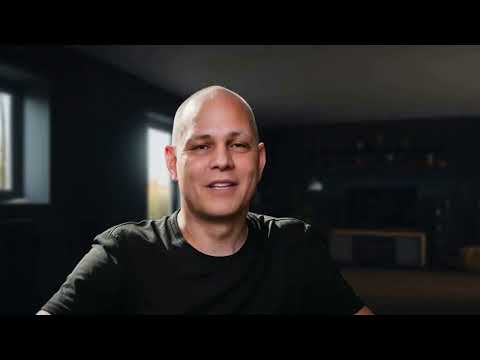
AI Storybook. 
Show art for the AI news series. 
Show art for the biotech series. 
Show art for the Inflammation series.
Related work
-

NewsPod AI
A news video podcast that researches, records and publishes itself.
-

AI Storybook
News stories, autonomously retold for children.
-
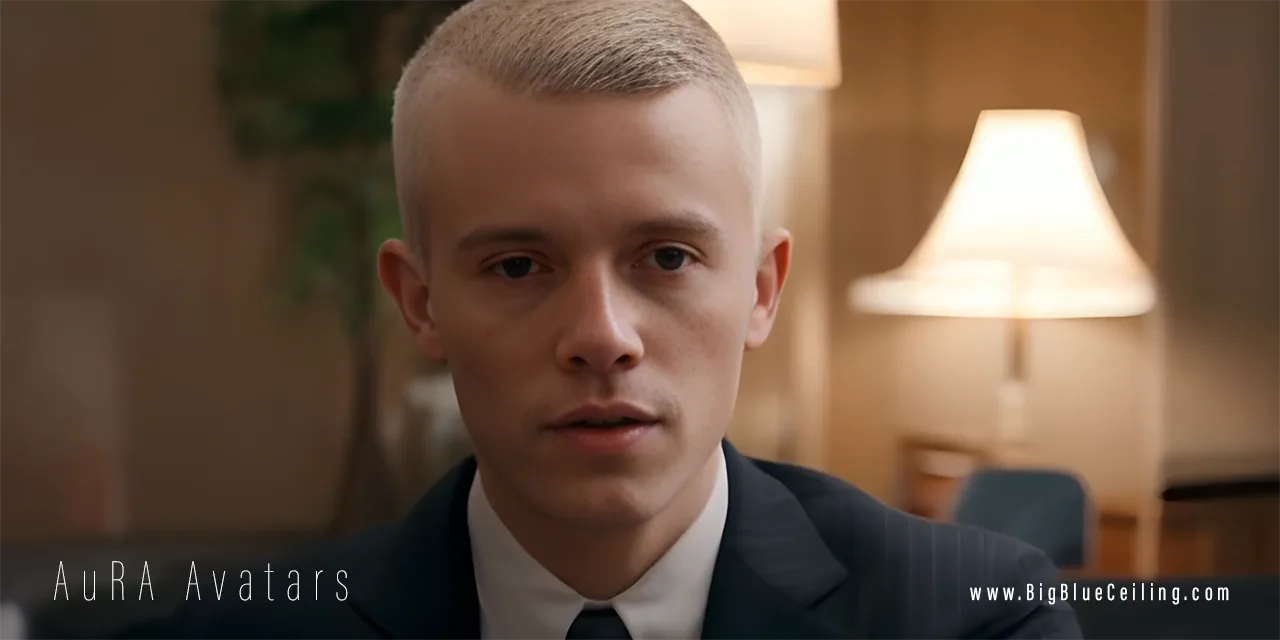
AuRA Avatar Generator
Customizable, photorealistic presenters for AI-generated video briefings.
-
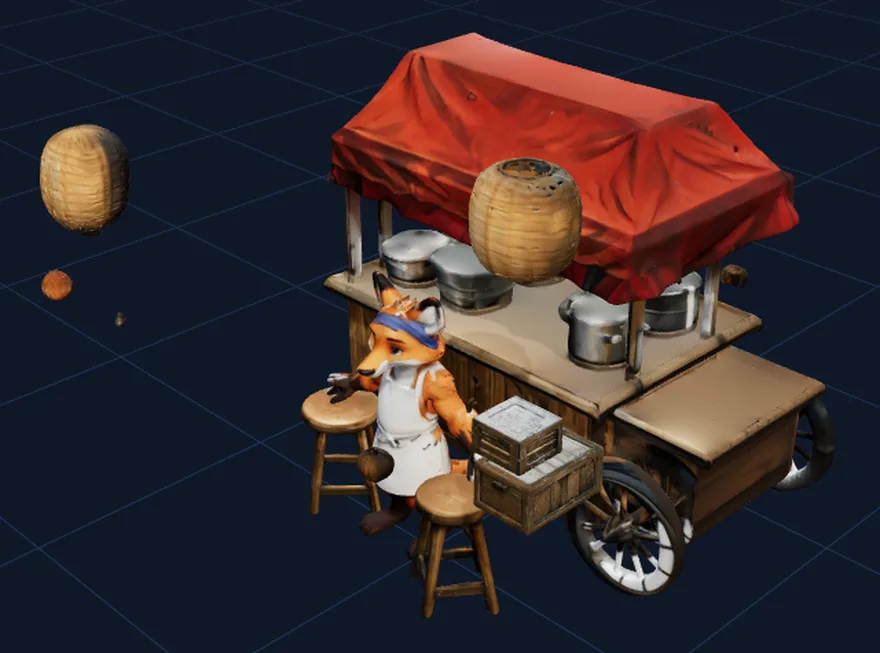
b2c3d
Traditional 3D content creation, rebuilt with AI inside the tools.